

RESPOSCY volunteer divers establish nine Posidonia restoration stations in Cyprus
July 29, 2026
FishTheAlien II pop-up brings invasive seafood to Limassol
September 8, 2026

Marine & Environmental Research (MER) Lab and the RESPOSCY project team have released the first four videos in a planned collection of ten short videos exploring the importance, protection and restoration of Posidonia oceanica meadows in Cyprus. A longer documentary will also be produced as part of the project.
The opening four-part release introduces RESPOSCY and one of the Mediterranean's most valuable marine ecosystems. It examines the threats and pressures affecting Posidonia meadows, explains why restoration may be needed and presents the transplantation techniques used during restoration activities.
Often described as the underwater forests of the Mediterranean, Posidonia oceanica meadows support marine biodiversity, help maintain water quality, capture and store carbon, and protect coastlines from erosion. Despite their ecological importance, these habitats face growing pressure from human activities and climate change.
These first four videos mark the beginning of a wider RESPOSCY audiovisual programme. Further short videos will be released during the project, while the documentary will provide a broader account of the project's work to study, protect and restore Posidonia meadows in Cyprus.
Each of the opening videos is approximately four minutes long. Select any image or button below to watch the relevant video on YouTube.
Watch the four-video series
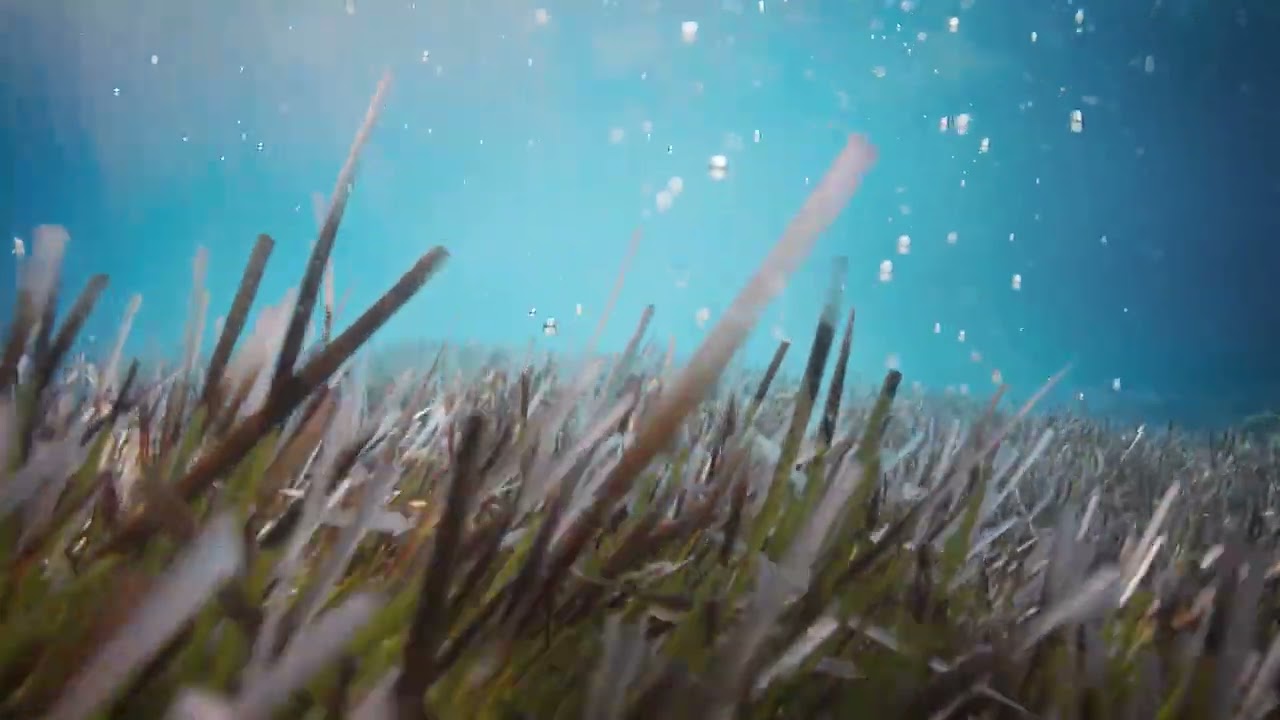
Welcome to RESPOSCY
Meet the project and discover why safeguarding Posidonia oceanica matters for Cyprus. This opening video introduces the RESPOSCY mission and the collaboration bringing together researchers, project partners, public authorities and trained volunteer divers.
Watch video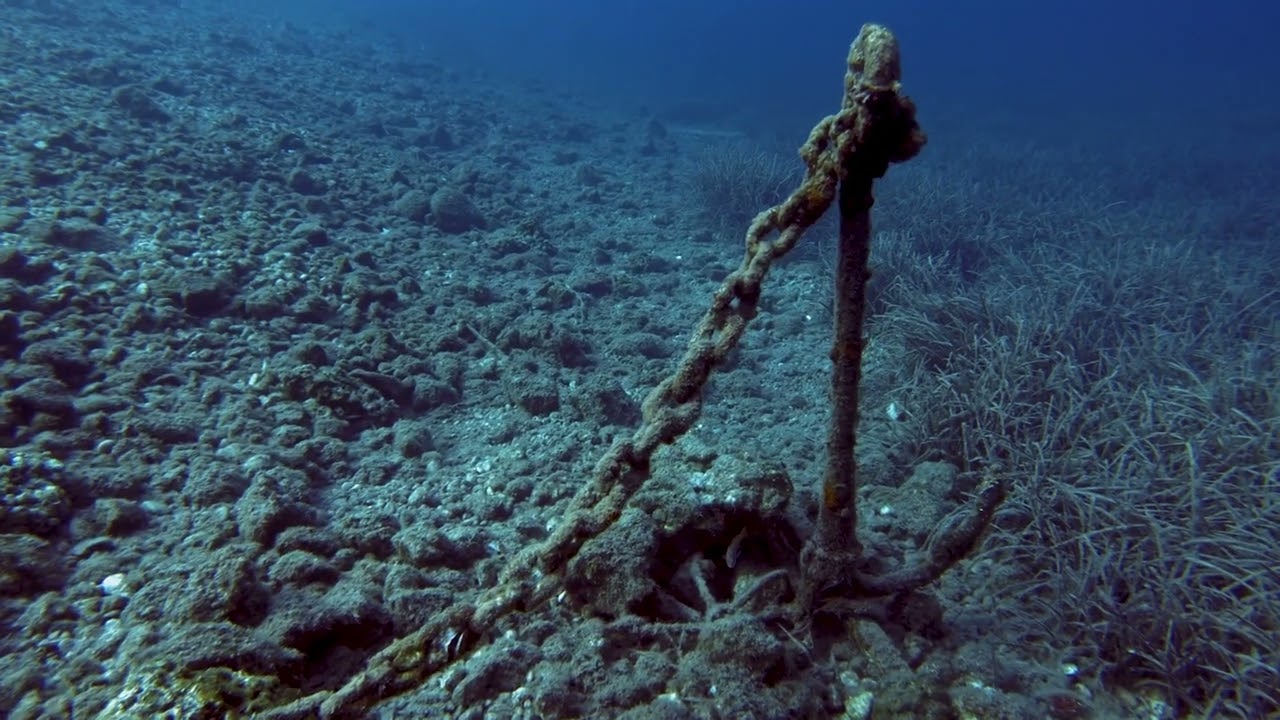
RESPOSCY: Threats and Pressures on the Ecosystem
Explore the pressures that can degrade or fragment Posidonia meadows and learn why restoration must begin with a clear understanding of where damage is occurring, what is driving it and which locations offer suitable conditions for recovery.
Watch video
RESPOSCY: Restoring Posidonia, When Nature Needs Help
See how carefully planned restoration can support natural recovery when a meadow has been damaged. The video follows the transplantation of healthy Posidonia shoots and the role of scientists and trained divers in giving them the best possible chance to establish.
Watch video
RESPOSCY: Transplantation Techniques
This practical video introduces the harvesting and transplantation procedures used by RESPOSCY. It is especially relevant to volunteer divers and anyone interested in the methods, care and consistency required during field restoration.
Watch videoContinue through the complete series
Together, the four videos provide a concise journey from understanding the ecosystem and the pressures it faces to seeing how restoration is planned and carried out.
Open the full YouTube playlistLearn more about the initiative on the RESPOSCY website and the MER project page.
Project acknowledgement: RESPOSCY is coordinated by Marine & Environmental Research (MER) Lab in partnership with Frederick Research Center, Cyprus University of Technology and the University of Genova, with the support of the Department of Fisheries and Marine Research. Project EXCELLENCE/0524/0547 is implemented under the THALIA 2021–2027 programme and co-funded by the European Union through the Research and Innovation Foundation.